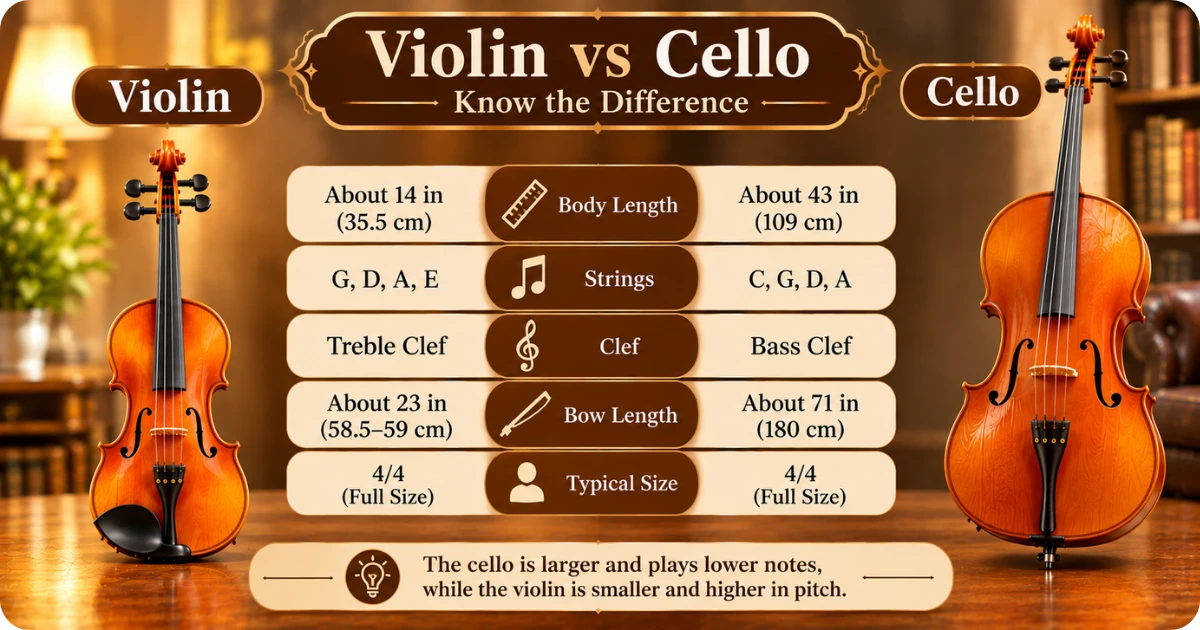
The violin vs cello difference is simple. The violin is small and high-pitched. You hold it under your chin. The cello is large and low-pitched. You play it seated, with the body resting between your knees.
Both belong to the violin family. Both have four strings and no frets, and you play both with a bow. This guide covers size, sound, difficulty, cost, and the bass violin vs cello question.
Violin vs Cello: Key Differences at a Glance
Size and Weight of a Violin vs Cello
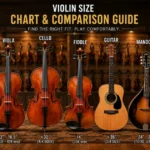
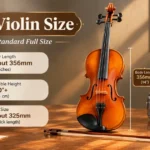
A full-size (4/4) violin is about 23 inches long and weighs roughly 1 pound. A full-size cello stands about 47 inches tall. With its case, a cello often weighs 15 pounds or more.
Both come in fractional sizes. Violins start at 1/32. Cellos start at 1/16 or 1/10. Most adults play 4/4. A 7/8 cello suits players with smaller hands.
Strings, Tuning, and Range
The violin strings are G-D-A-E. The cello strings are C-G-D-A. Both are tuned in fifths.
The cello’s lowest note is C2. That sits an octave and a fifth below the violin’s lowest note, G3. The cello also reaches violin-like high notes, so its range is wide.
Bow, Parts, and Clefs
A cello bow is shorter and heavier than a violin bow. It needs more rosin and more hair to move thicker strings.
The cello has an endpin that rests on the floor. The violin has a chin rest and often a shoulder rest.
Violin music uses the treble clef. Cello music uses the bass clef, plus the tenor and treble clefs in higher passages.
Playing Position and Posture
Violinists often stand to practice. They sit in an orchestra. The left arm stays raised, which can tire the neck and shoulder.
Cellists always sit. The sitting posture feels natural to many players. Long sessions can still strain the back and right arm.
More Posts: Violin vs Viola
Violin vs Cello Size

The cello is about twice as long as the violin. A full-size cello is roughly 47 inches tall. A full-size violin is about 23 inches long. Size affects comfort, reach, and sound, so it matters for every player.
Violin vs Cello Body Length
The body of a 4/4 violin is about 14 inches (35.5 cm). The body of a 4/4 cello is about 30 inches (76 cm).
The cello also has deeper ribs. This gives it a larger air chamber. A bigger chamber helps produce lower, warmer tones.
Violin vs Cello Bow Size
A full-size violin bow is about 29 inches long and weighs about 2 ounces. A full-size cello bow is about 28 inches long and weighs about 2.8 ounces.
The cello bow is shorter but heavier, with a larger frog. This helps move the cello’s thick strings. Bows also come in fractional sizes to match the instrument.
Fractional Sizes for Kids
Kids need fractional sizes because they grow fast. Violins start at 1/32. Cellos start at 1/16 or 1/10.
A child should move up a size every 6 to 12 months during growth spurts. A good fit lets the child reach the scroll without straining. An instrument that is too big can cause tension and poor intonation.
More Posts: Fiddle vs Violin
Violin vs Cello Sound and Role in Music
Violin Sound: Bright and High
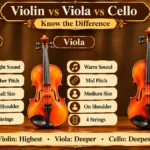
The violin is the soprano of the string family. Its tone is bright, clear, and carries well over other instruments.
Because of this, violins usually play the melody. Fast runs and virtuoso solos also suit it well.
Cello Sound: Warm and Deep
The cello sounds close to the human voice, especially the tenor. Its tone is warm, rich, and resonant.
It adds depth to music. Film scores often use the cello for emotional scenes.
Orchestra Roles and Music Styles
The violin section is the largest in an orchestra. First violins carry most melodies. Cellos build the harmonic foundation and play the bass line with the double bass.
Both instruments appear in classical, folk, pop, and rock. The cello is also common in symphonic metal.
Violin vs Cello: Which Is Harder to Learn?
Technique and Intonation Challenges
Neither is easier overall. Both lack frets, so you must find each note by ear. That makes intonation the main challenge on both.
The violin has small finger gaps. A tiny slip changes the pitch. The cello has wide finger gaps, so the left hand shifts often. Cellists also read three clefs.
Violin vs Cello for Adult Beginners
Adults can learn either instrument. The cello’s seated posture feels more comfortable to many adults. Its strings also sound fuller early on.
The violin is cheaper and easier to carry. This helps adults who practice at work or on the go. Hand size and body height matter too.
Best Starting Age and Practice Time
Children often start the violin at about 4 to 6. The cello often starts a little later, around 6 to 8, on a fractional size.
Most beginners need a few months to play simple songs with a clear tone. Daily practice of 15 to 30 minutes builds steady progress.
More Posts: Violin vs Viola vs Cello
Bass Violin vs Cello
Size and Range Difference
“Bass violin” usually means the double bass. It is much bigger than a cello. A 3/4 bass stands over 6 feet tall. A full-size bass reaches about 6 feet 4 inches.
The bass’s lowest string is E. That is a minor sixth below the cello’s lowest C.
Tuning in Fourths vs Fifths
The double bass is tuned in fourths: E-A-D-G. The cello is tuned in fifths: C-G-D-A.
Fourths keep the fingers closer together. Bass music sounds an octave lower than written.
Playing Position and Orchestra Role
Bassists stand or sit on a high stool. Cellists sit on a chair.
The bass provides the deep low end. The cello covers bass, tenor, and melody parts. The bass is also a jazz and bluegrass staple, often plucked instead of bowed.
Violin vs Cello Price and Which to Pick
Beginner Instrument Prices in the USA
A beginner violin often starts at $100 to $150. A model near $500 gives better sound and build.
A beginner cello usually starts at $400 to $500. Many teachers suggest $800 or more for a reliable one. Rental programs can lower the upfront cost.
Strings and Accessories Cost
Violin string sets cost about $20 to $30. Cello string sets run about $60 to $100.
Violinists also need a shoulder rest, rosin, and a case. Cellists need rosin, a stand or endpin stop, and a larger case.
Portability and Travel
A violin fits in a backpack-style case. It can go in an overhead bin on a flight.
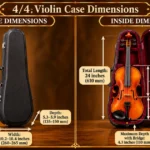
A cello needs a large hard case. Airlines usually require a separate seat for it. It also needs car space and a safe spot at home.
Violin or Cello: Which Should You Pick?
Choose the violin if you like high, bright sounds, solos, and a light, portable instrument.
Choose the cello if you like low, warm tones, a seated position, and supporting harmony. Your budget and space matter as well. Listening to both in person helps.
More Posts: 4/4 Violin Size
FAQ’s About Violin vs Cello
Is it easier to learn the violin or the cello?
Neither is clearly easier. The violin needs tight finger accuracy. The cello needs wide shifts and more arm strength. Many find the cello’s seated posture more natural.
Is the cello or violin better?
Neither is better. The violin suits high melodies and solos. The cello suits warm, low tones and harmony. It depends on your taste and goals.
Can you play the cello if you play the violin?
Yes. The bowing, ear training, and intonation skills carry over. You must learn the new posture, bass clef, and wider finger spacing.
What age is best to start violin vs cello?
Many children start the violin at 4 to 6 and the cello at 6 to 8 on a fractional size. Adults can begin either at any age.
Which is more expensive, a violin or a cello?
The cello costs more. A beginner violin starts near $100 to $150. A reliable beginner cello starts near $400 to $500. Strings and cases cost more for cellos too.
Is violin or cello better for adult beginners?
Both work well. The cello feels comfortable to many adults. The violin is cheaper and easier to transport.
Is a cello bigger than a violin?
Yes. A full-size cello is about 47 inches tall. A full-size violin is about 23 inches long. The cello is roughly twice as long and much heavier.

Claire Davis is a content researcher and writer specializing in musical instruments, sizes, measurements, and comparison guides. She creates clear, practical content to help readers understand violin and other instrument sizes with confidence.